

Trusted Healthcare Since 1948
NABH Accredited – Patient Safety and Quality of Care

Jeewan Nursing Home
& Hospital

Compassionate Healthcare for Every Generation

For more than 75 years, Jeewan Nursing Home & Hospital has been delivering trusted healthcare with experienced specialists, advanced medical facilities, emergency services, and patient-first care in the heart of New Delhi.

75+

Years of Excellence

24×7

Emergency Care

20+

Specialists

Experienced Specialists
24×7 Emergency Services
Advanced Operation Theatres
Personalised Patient Care
Modern Diagnostics
Trusted Since 1948
24x7 Helpline+91-11-42430246-49
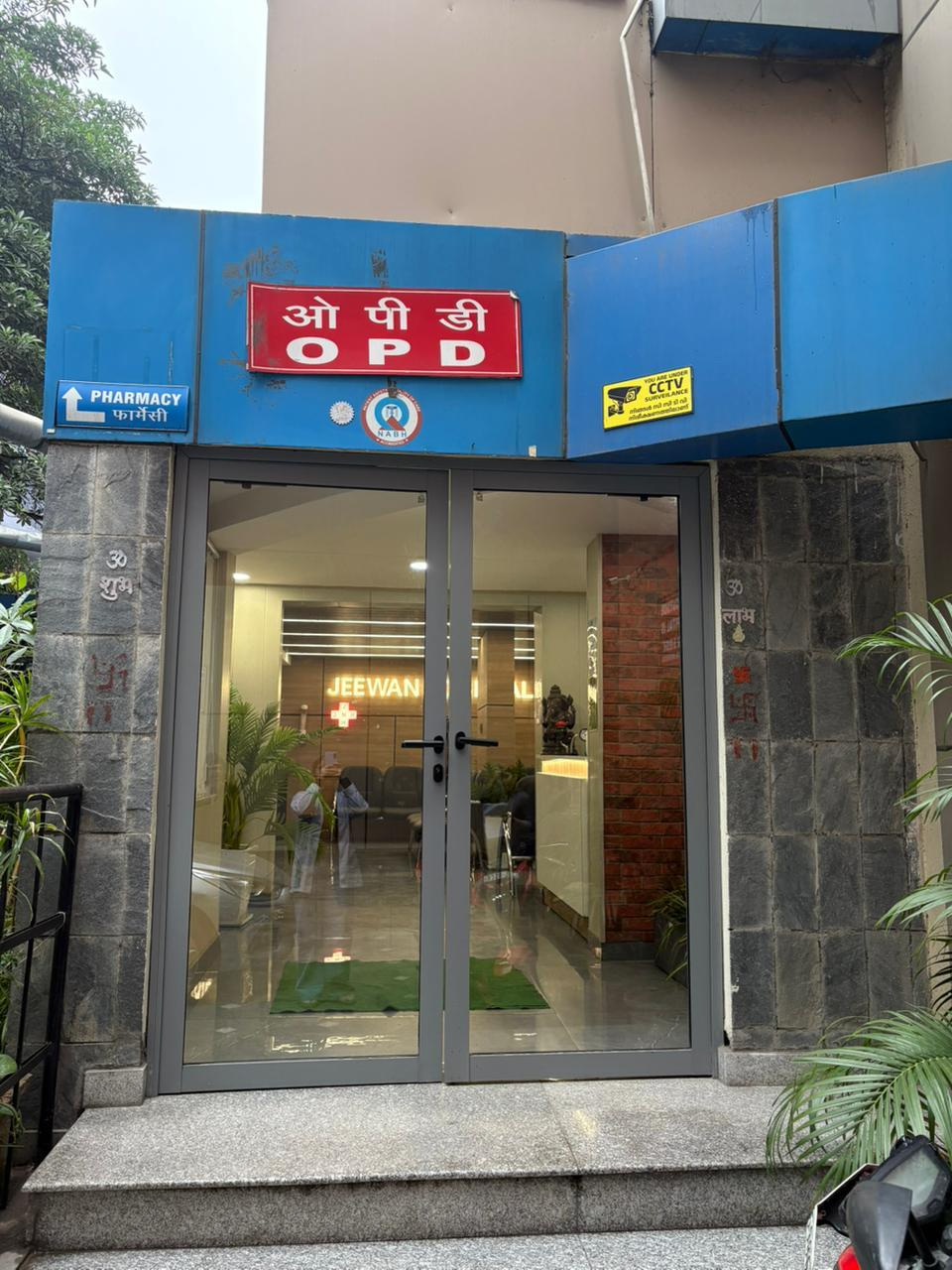
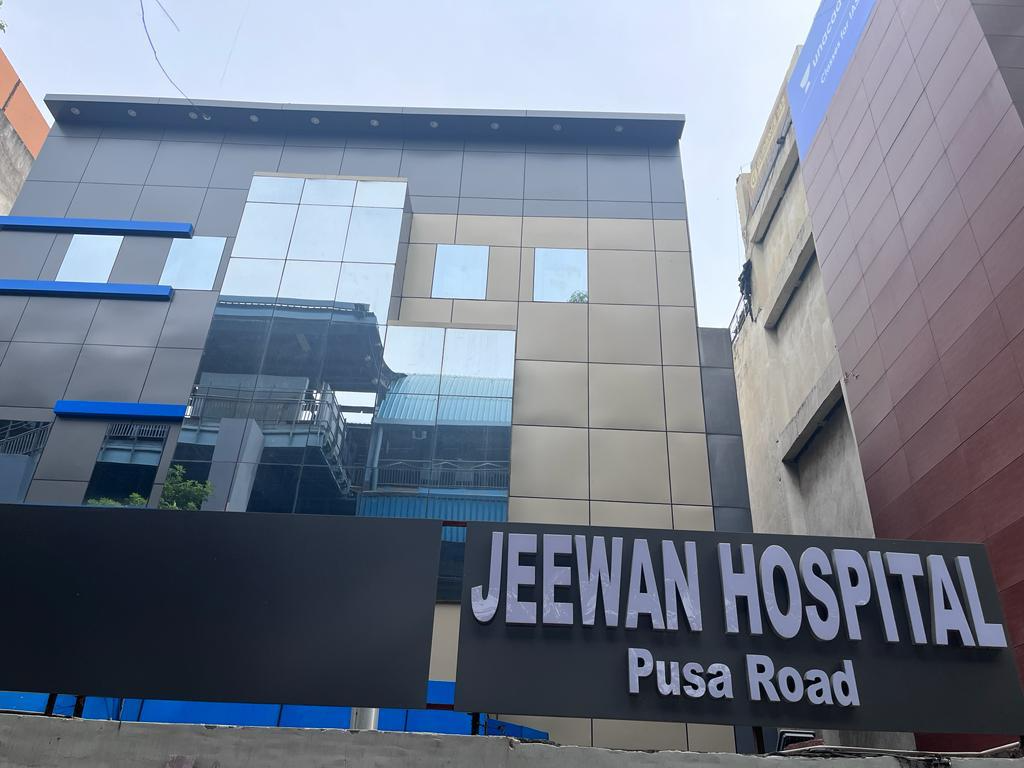
Pusa Road, New Delhi2-B, Pusa Road, Next to Karol Bagh Metro Station, New Delhi-5
AppointmentsSpecialist consultations and follow-up care
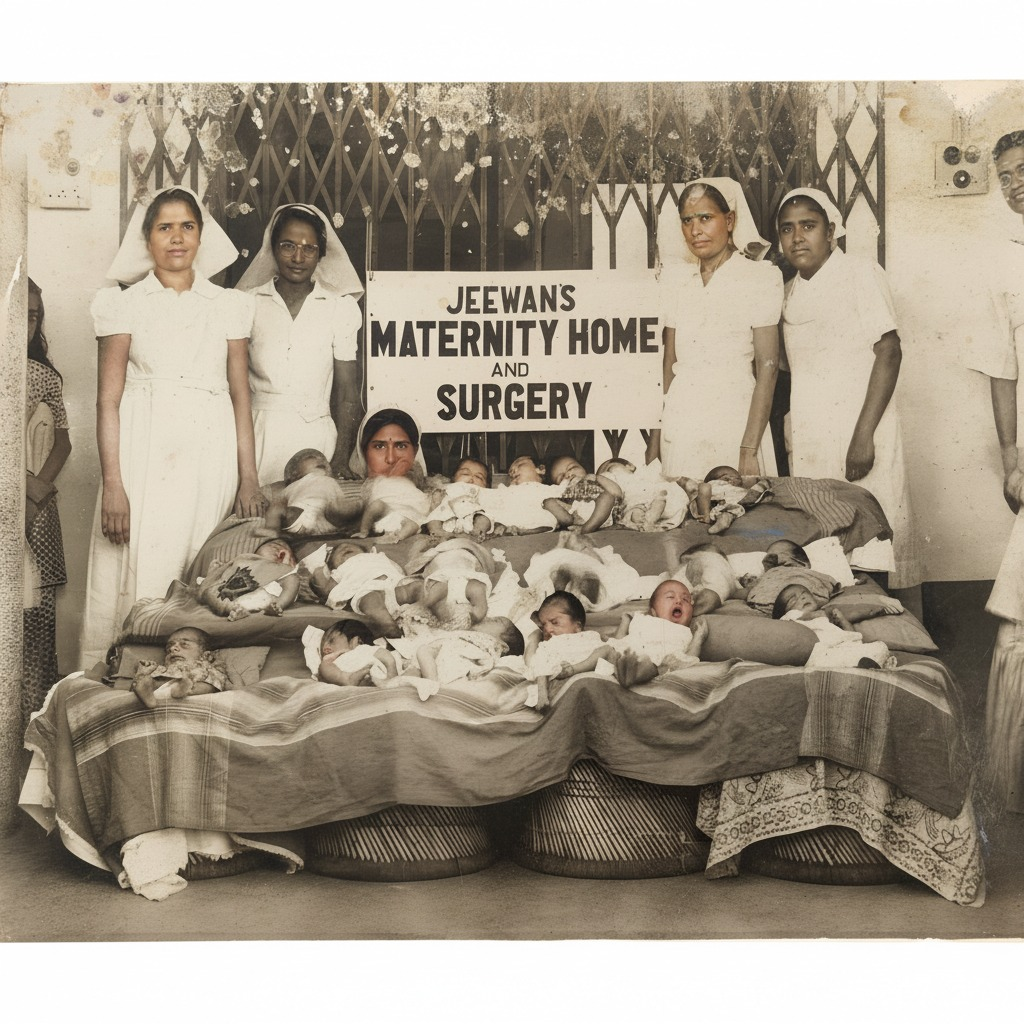
Jeewan Maternity Home legacy photograph

Our early maternity legacy

Jeewan Hospital founders and legacy

Founders and family history

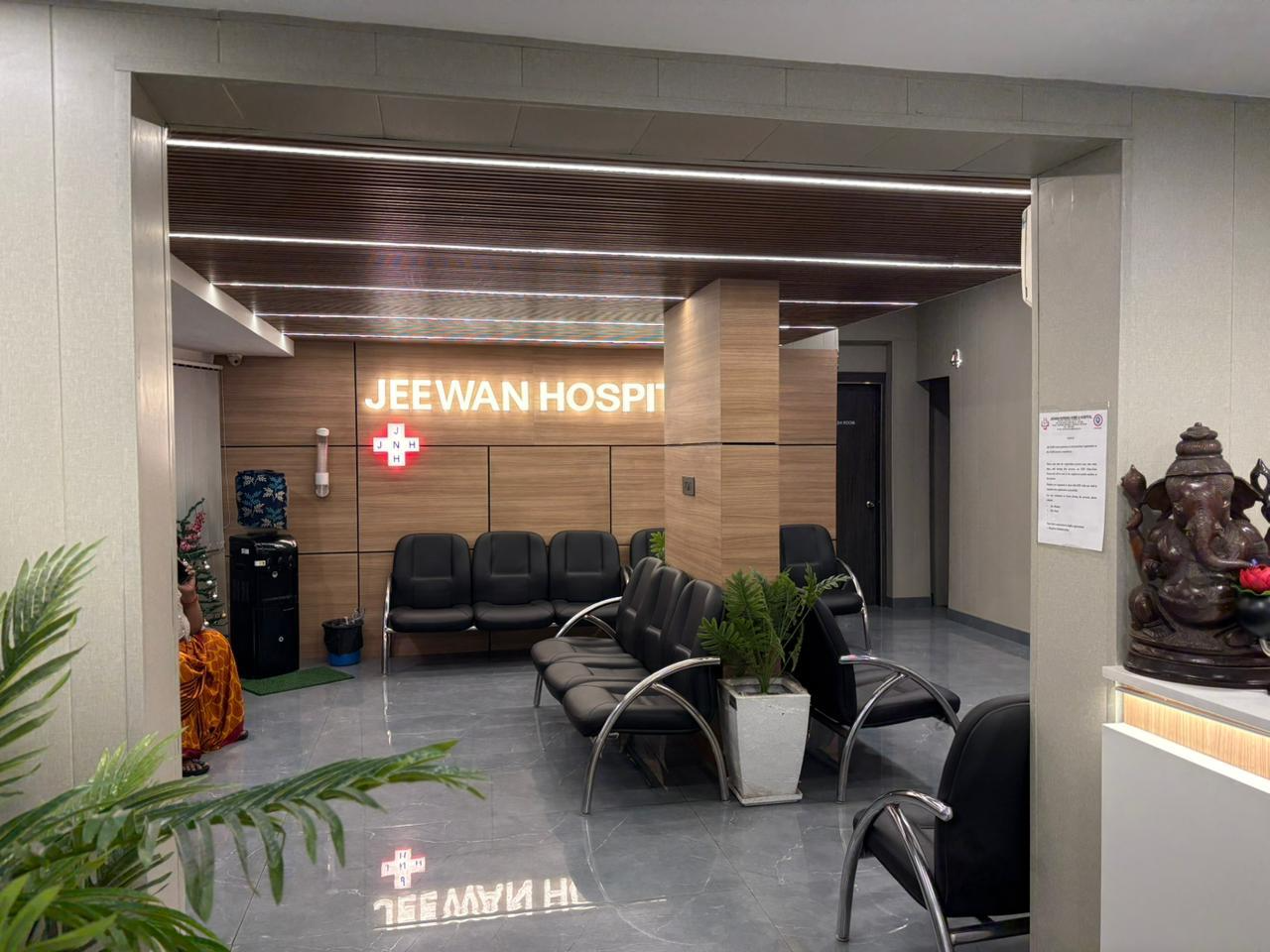
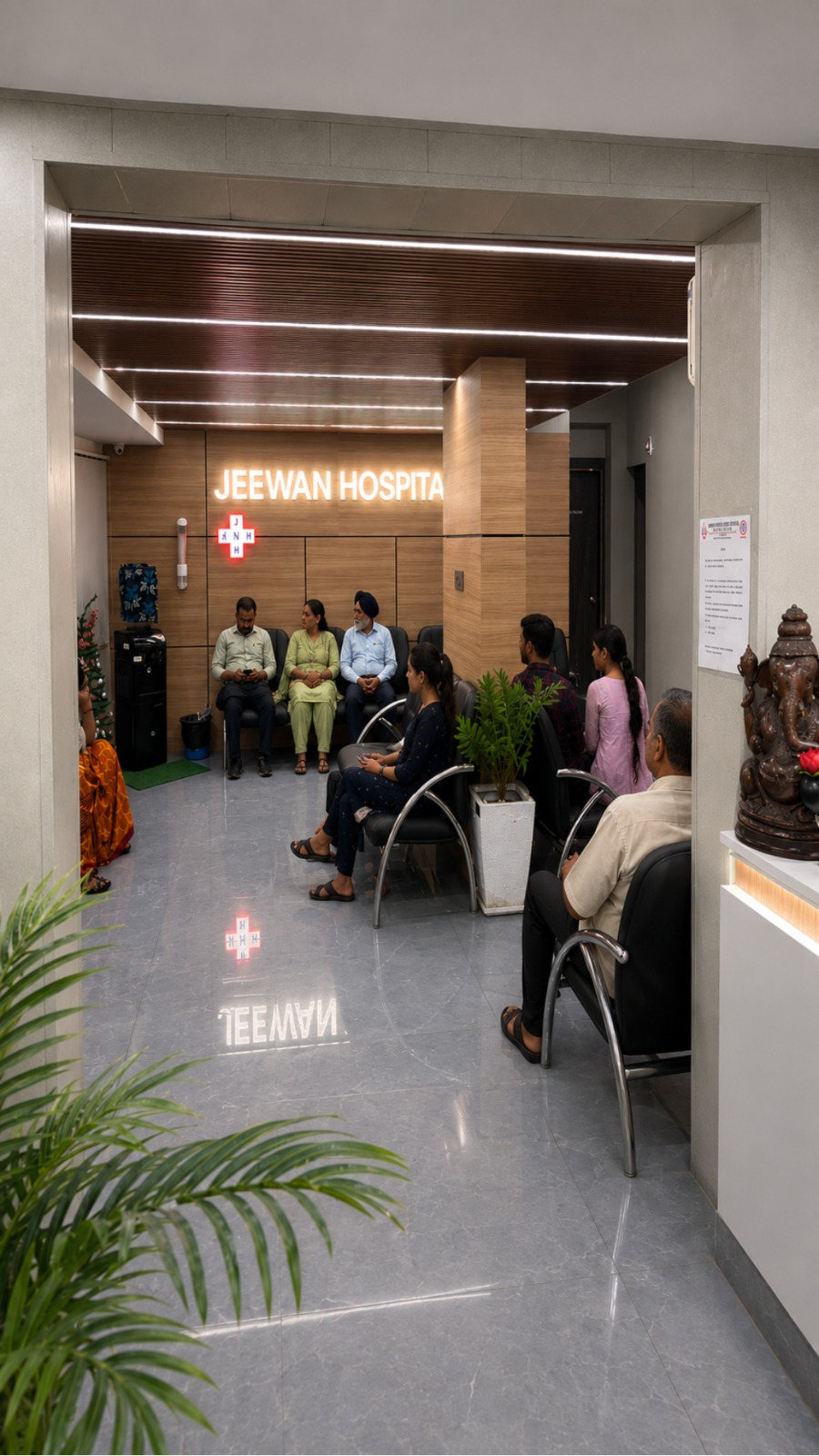
Jeewan Hospital reception

75+ Years

of trusted service in Delhi

About Us

Jeewan Nursing Home & Hospital

At Jeewan Nursing Home & Hospital, we are a trusted multispecialty healthcare institution dedicated to delivering compassionate, patient-centred care for individuals and families. Backed by a skilled network of experienced doctors, nurses, and healthcare professionals, we provide comprehensive medical services with a commitment to excellence and empathy.

We believe every patient is unique. That is why our approach goes beyond treatment -- focusing on physical, emotional, and mental well-being to create a supportive and healing environment. With a rich legacy of care, innovation, and clinical excellence since 1948, Jeewan Nursing Home & Hospital Pusa Road continues to redefine healthcare standards through advanced medical practices and personalised attention.

Located on Pusa Road, our hospital stands as a beacon of trust, quality, and compassion, welcoming every patient with warmth, dignity, and dedicated care.

Jeewan Hospital - Caring for Generations Since 1948

Personalised care, trust, and relationships that span generations.

Dr Sudarshana Sabharwal

Dr Sudarshana Sabharwal

Jeewan Nursing Home & Hospital Pusa Road was the first private hospital in Delhi, started by the late Dr Mohindra Nath & Dr Sudarshana Sabharwal, in 1948 at Arya Samaj Road, New Delhi, later shifted to present premises at Pusa Road in 1956. Dr Sudarshana Sabharwal was one of the first qualified gynaecologists in Delhi, being a gold medalist from Lady Hardinge Medical College, New Delhi. She has to her credit more than a lakh deliveries & surgical procedures. She is the guiding force for all consultants & staff of the hospital , Her legacy continues to guide all consultants & staff of the hospital.

Dr Mohindra Nath

Dr Mohindra Nath

A renowned General Surgeon and ENT Specialist from Lahore, Dr. Mohindra Nath established Jeewan Nursing Home and Hospital in Delhi, laying the foundation for a legacy of trusted healthcare. Known for his expertise, integrity, and compassionate care, he became a respected figure in Delhi's medical fraternity and a trusted physician to generations of families. Even today, his legacy lives on as people continue to place their faith in the institution he built.

Our Vision Statement

Jeewan Hospital shall meet the healthcare needs by providing access to high-quality clinical services through 1. Patient safety and satisfaction; 2. Service excellence & Outcome; 3. Professional development of staff

Our Mission Statement

We at Jeewan Nursing Home & Hospital provide, at reasonable cost, healthcare services of international standard by varied spectrum of clinical services, highly experienced & qualified professionals, devoted staff, and patient-friendly culture of the organization.

Our Quality Policy

Jeewan Nursing Home & Hospital is committed to provide healthcare par excellence at reasonable cost. This would be achieved through: 1. Increase the patient satisfaction level 2. Training the manpower in relevant disciplines 3. Upgradation of facilities on regular basis

Departments

Specialised care across every major discipline

Comprehensive medical, surgical, emergency, diagnostic and specialty services delivered by experienced doctors and devoted healthcare teams.

Facilities

Hospital facilities

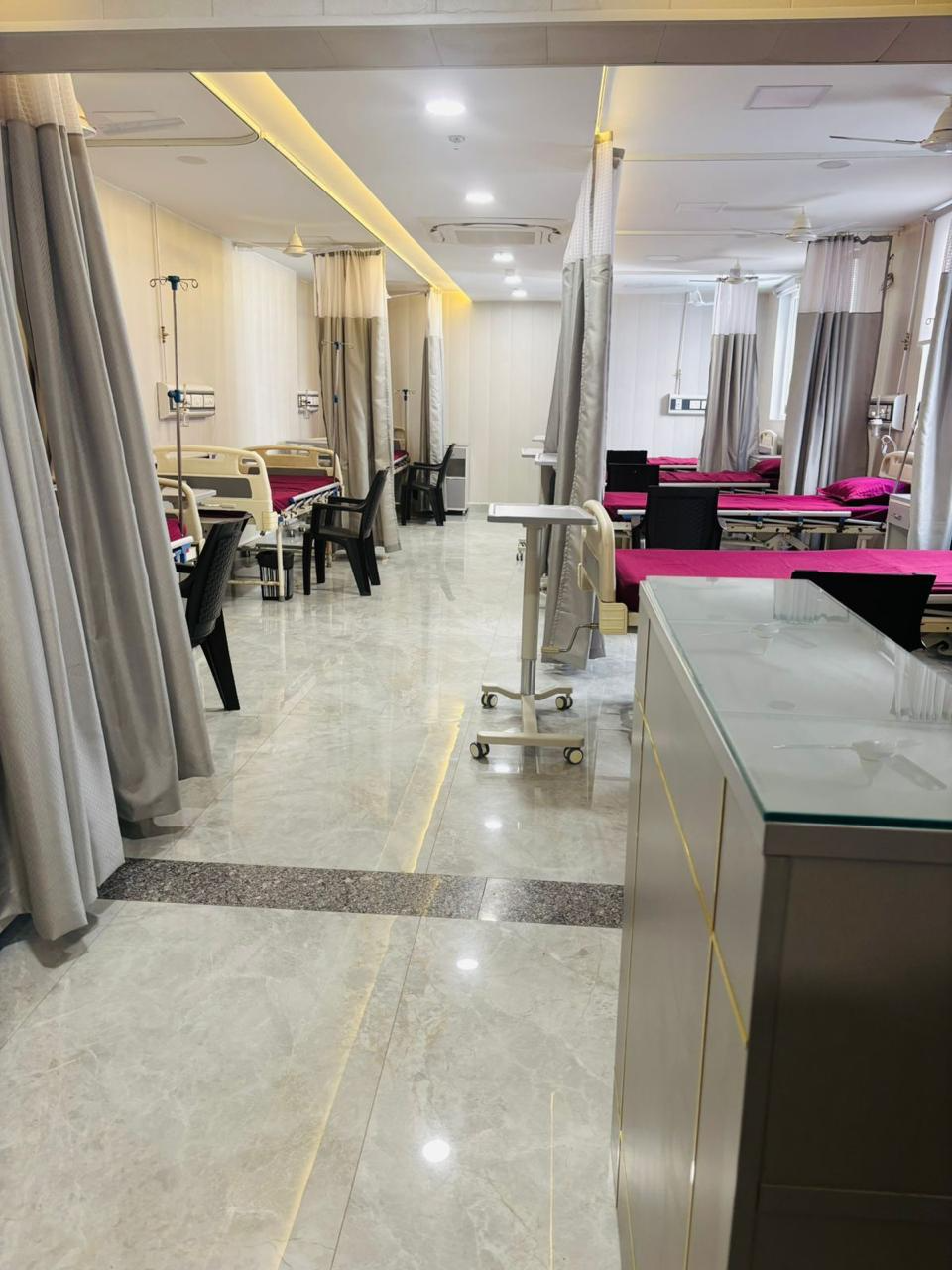
Diagnostic, emergency, critical care, surgical, dialysis, and imaging services supporting safe, timely care at Jeewan Hospital, Pusa Road.

Dialysis Unit

Dialysis is a life-saving medical procedure, routinely carried out at Jeewan Hospital, Pusa Road, that performs the functions of the kidneys when they are unable to work effectively.

It is typically utilized for individuals suffering from chronic kidney disease or acute kidney injury, aiding in removing waste, salt, and excess water, maintaining safe levels of certain chemicals in the blood, like potassium and sodium, and controlling blood pressure.

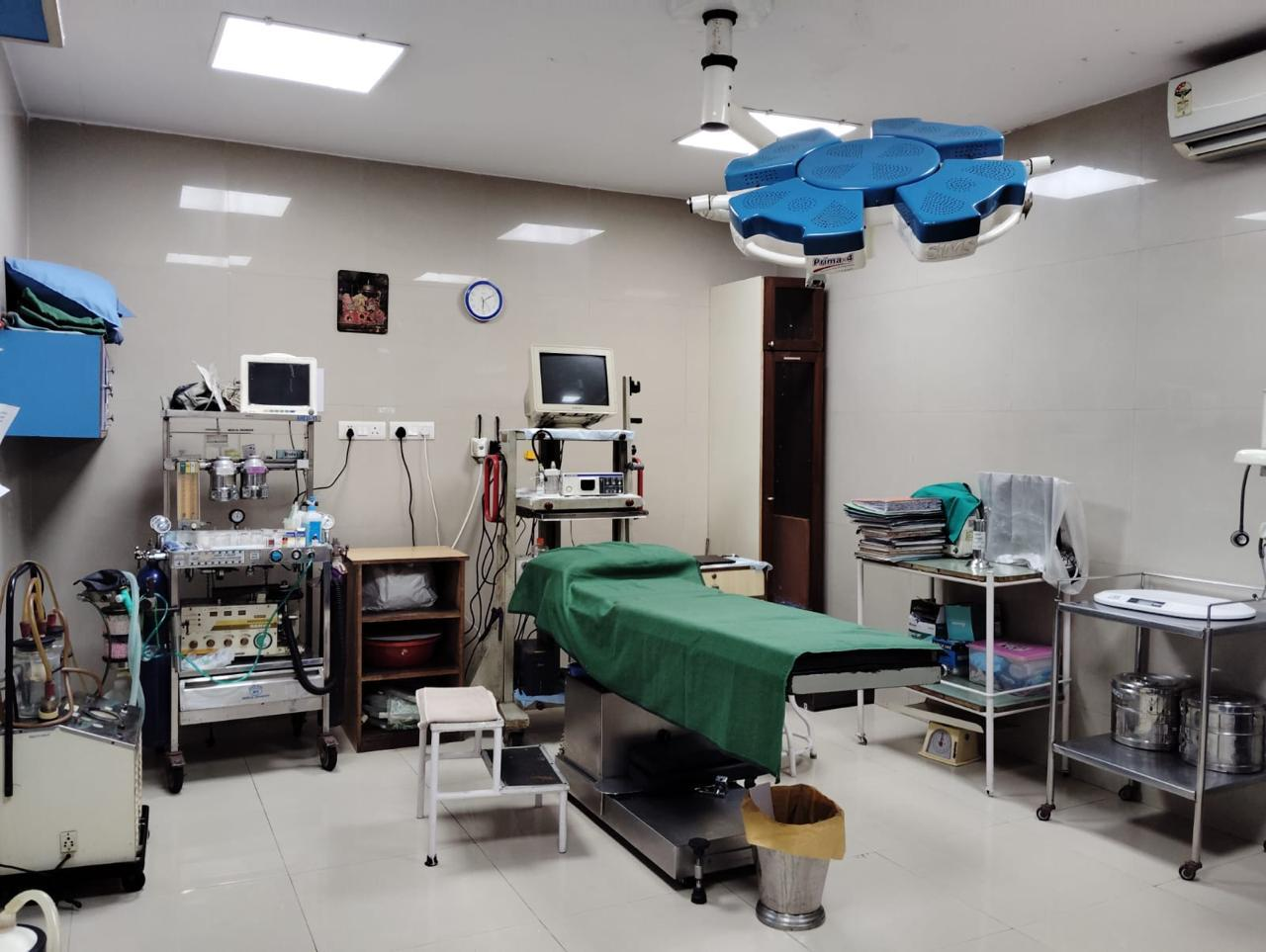
Operation Theatre

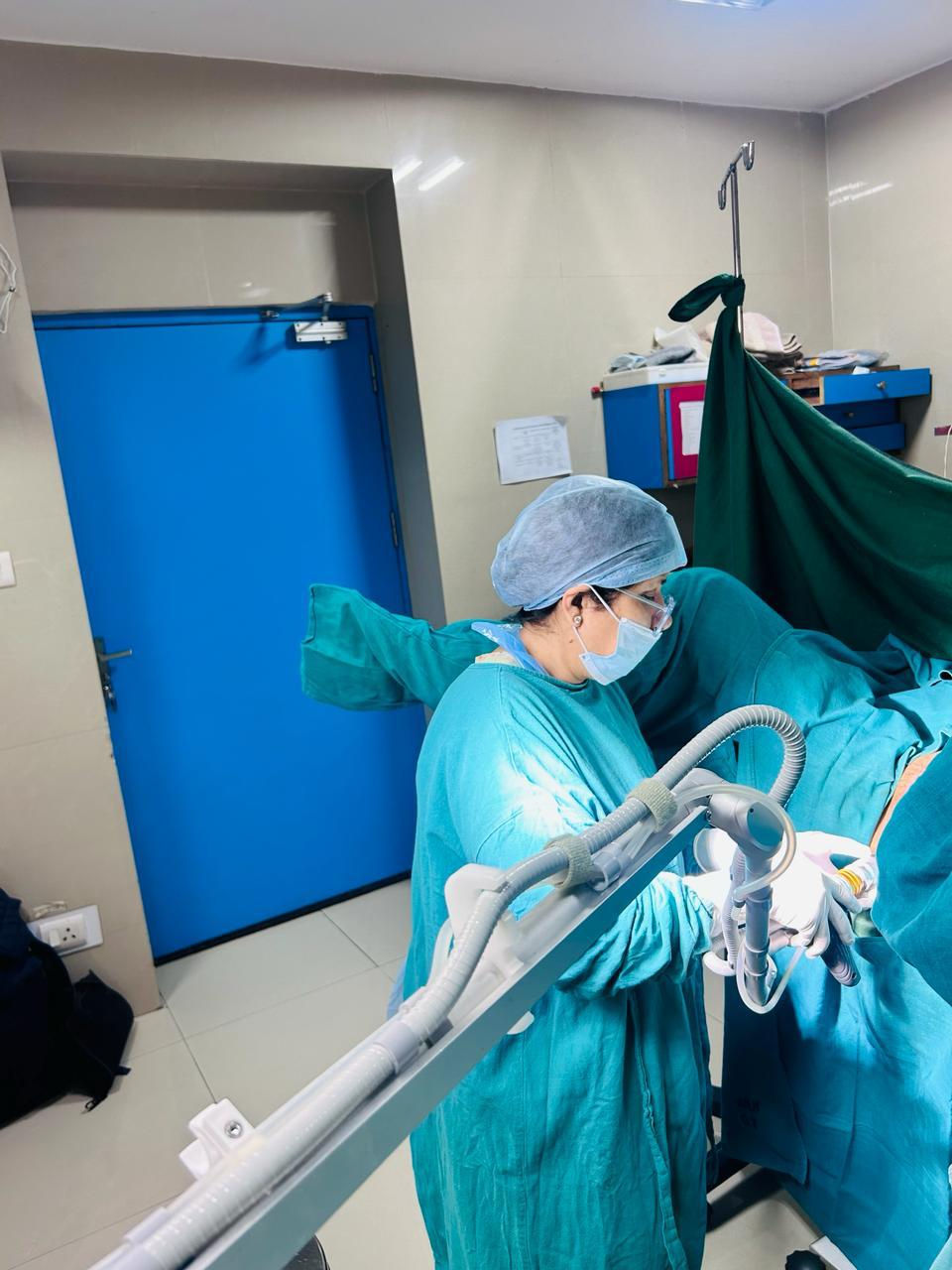
Jeewan Hospital's modern Operation Theatre complex is equipped to perform a variety of surgical procedures across multiple specialties. Designed to maintain the highest standards of safety and sterility, the facility supports both elective and emergency surgeries.

Our surgical teams utilize advanced equipment and evidence-based protocols to ensure precision, patient safety, and optimal outcomes. Comprehensive perioperative care helps facilitate smoother recovery and improved surgical experiences for patients.

Emergency Care

Jeewan Hospital provides 24x7 emergency services for medical, surgical, and trauma-related emergencies. Our dedicated emergency team is equipped to deliver immediate assessment, stabilization, and treatment for patients requiring urgent medical attention.

The department is supported by critical care specialists, diagnostic services, and advanced monitoring systems to ensure rapid response and effective management of emergency situations.

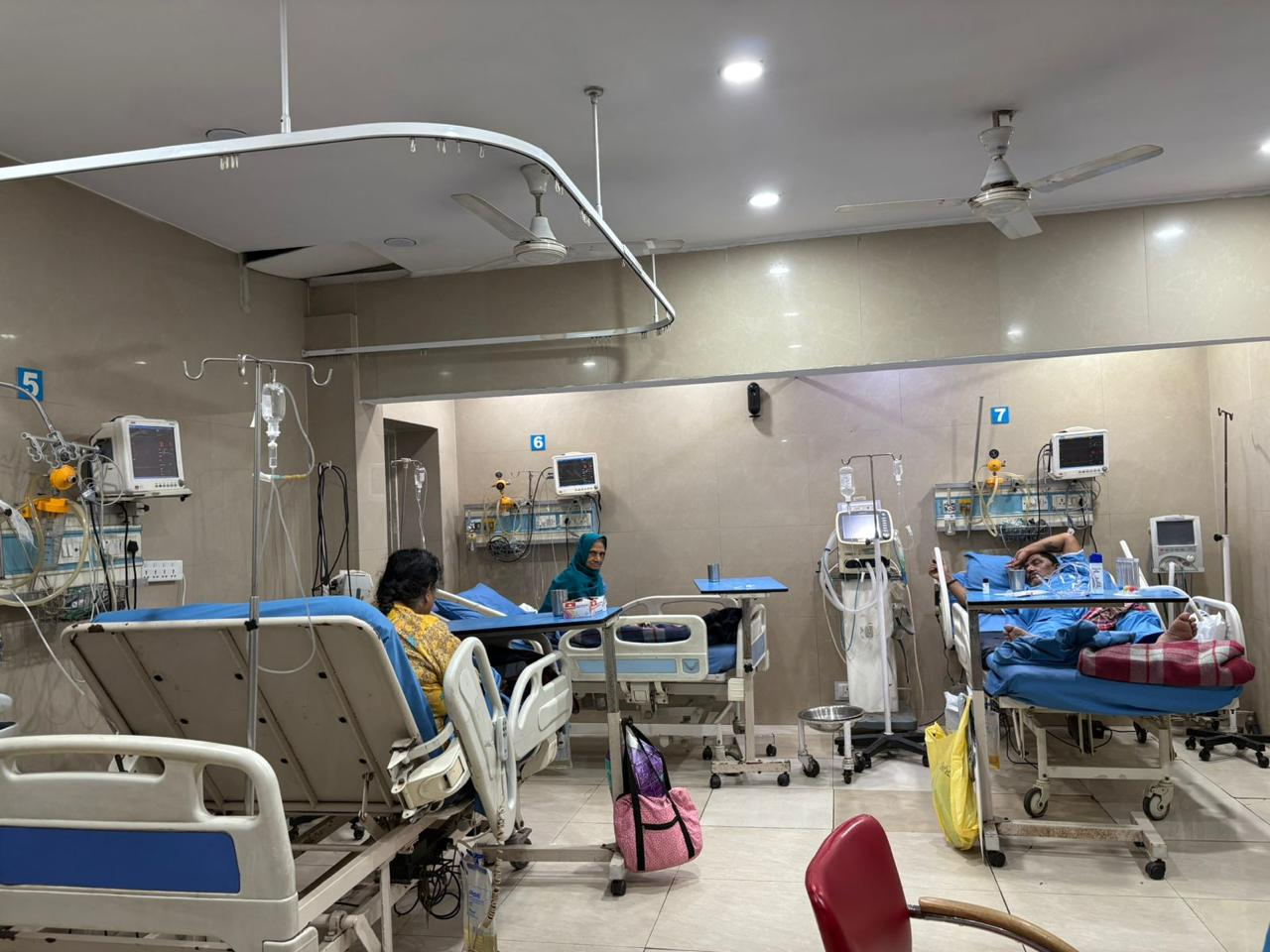
Intensive Care Unit (ICU)

Our Intensive Care Unit is designed to provide specialised care for critically ill patients requiring continuous monitoring and advanced medical support. The ICU is staffed by trained healthcare professionals who manage complex medical and surgical conditions.

With modern monitoring equipment and evidence-based treatment protocols, we are committed to delivering high-quality critical care while ensuring patient safety and comfort.

Radiology - X-Ray & Ultrasound

The Radiology Department provides reliable imaging services that support accurate diagnosis and treatment planning. Equipped with modern X-ray and ultrasound technology, the department assists clinicians in evaluating a wide range of medical conditions.

Our experienced radiology professionals focus on delivering timely, high-quality imaging services with patient comfort and safety as top priorities. Accurate diagnostic imaging enables faster clinical decision-making and improved patient outcomes.

Laboratory

The Laboratory Services Department provides accurate and timely diagnostic testing to support clinical decision-making. We offer a wide range of pathology and laboratory investigations performed using standardized processes and quality-controlled systems.

Our experienced laboratory professionals work closely with clinicians to ensure reliable results that contribute to effective diagnosis, treatment planning, and ongoing patient care.

Insurance

Insurance and empanelment

Jeewan Hospital serves patients across CGHS, government, institutional, corporate and insurance empanelment panels.

CGHS Serving/Pensioner
NPL
MCD
DJB
IARI
DVB Pensioner
DCB/NBPGR
DGEHS
NDMC
BSES Yamuna Power
DTL
NDPL
FCI
BSNL
IPGCL & PPCL
IASRI
NCERT
ITPO
NDPL (TATA POWER)
NIPCCD
Delhi Tourism (DTTDC)
NISCAIR/NIScPR
UPSC
NIFT
Ambedkar Universities
ESI
Our Team

Doctors and their specialities

Jeewan Hospital boasts distinguished surgeons, experienced gynaecologists, expert physicians and accomplished specialists who uphold its legacy of excellence in healthcare.

Testimonials

What our patients say

Real stories from the families who trust Jeewan Hospital with their health.

I got wonderful cooperation from the Gynae department. Dr. Meenakshi checked me timely and the nurses took personal care of me. My experience was very good.

Priyanka Gola

Delhi

I came to Delhi from Kanpur for my treatment and after meeting Dr. Meenakshi it was worth it. I recovered well from my surgery — the entire team is pleasant and helpful.

Arti Agarwal

Kanpur, UP

Always approachable and ready with a solution for every query. Calm, cautious and attentive to minute details. We will always be thankful to her team.

Jaya Kaushik

Delhi

Comforting and patient — they took great care of me and my baby during and after delivery. Our room was neat and sanitised. An excellent experience overall!

Chandni Khanna

Delhi

I underwent infertility treatment here and delivered a healthy baby. From administration to nurses and junior doctors, everyone is friendly and professional.

Anika Kalra

Delhi

I've been coming to Jeewan Nursing Home for 20+ years. Their service, care and bedside manner are as good now as they have always been. Excellent diagnosis as always.

Vinita Barman

Delhi

I got wonderful cooperation from the Gynae department. Dr. Meenakshi checked me timely and the nurses took personal care of me. My experience was very good.

Priyanka Gola

Delhi

I came to Delhi from Kanpur for my treatment and after meeting Dr. Meenakshi it was worth it. I recovered well from my surgery — the entire team is pleasant and helpful.

Arti Agarwal

Kanpur, UP

Always approachable and ready with a solution for every query. Calm, cautious and attentive to minute details. We will always be thankful to her team.

Jaya Kaushik

Delhi

Comforting and patient — they took great care of me and my baby during and after delivery. Our room was neat and sanitised. An excellent experience overall!

Chandni Khanna

Delhi

I underwent infertility treatment here and delivered a healthy baby. From administration to nurses and junior doctors, everyone is friendly and professional.

Anika Kalra

Delhi

I've been coming to Jeewan Nursing Home for 20+ years. Their service, care and bedside manner are as good now as they have always been. Excellent diagnosis as always.

Vinita Barman

Delhi

Patient detailsChoose careConfirm request

Patient details

Basic details help our desk prepare your visit.

Blogs

Patient care updates

Helpful guidance from Jeewan Hospital's departments, facilities and care teams.

01CareFamily Care

How to Choose a Trusted Hospital for Your Family

Choosing a hospital is one of the most important healthcare decisions you will make for your family.

Read article

How to Choose a Trusted Hospital for Your Family

Choosing a hospital is one of the most important healthcare decisions you will make for your family. Whether it is for routine health check-ups, maternity care, surgery, emergency treatment, or managing chronic illnesses, having a reliable hospital you can trust offers peace of mind and ensures better healthcare outcomes. A trusted hospital is not just a place for treatment - it is a healthcare partner that supports your family through every stage of life.

Look for Experienced Medical Professionals

The quality of doctors is one of the most important factors when choosing a hospital. A multidisciplinary team of experienced physicians, surgeons, specialists, and nursing staff ensures that patients receive accurate diagnosis, timely treatment, and coordinated care. Hospitals that bring together experts from multiple specialties can also provide comprehensive care under one roof, reducing the need to visit multiple healthcare facilities.

Check the Hospital's Infrastructure

Modern healthcare depends on advanced technology and well-equipped facilities. A good hospital should have well-maintained operation theatres, intensive care units (ICUs), diagnostic laboratories, imaging services, dialysis facilities, and emergency care available round the clock. Access to advanced medical equipment allows doctors to diagnose conditions accurately and provide timely treatment when every minute matters.

Emergency Services Matter

Medical emergencies can happen without warning. A hospital with a fully functional emergency department, trained emergency physicians, ambulance support, and critical care facilities can make a significant difference during life-threatening situations. Before selecting a hospital, it is important to understand the emergency services available and how quickly patients can access care.

Compassionate and Patient-Centred Care

Healthcare is about more than medicines and procedures. Compassionate doctors, attentive nurses, and supportive hospital staff create a positive experience that helps patients recover with confidence. Hospitals that communicate clearly, involve families in treatment decisions, and treat every patient with dignity often deliver better overall patient satisfaction.

Comprehensive Care for Every Family Member

A trusted family hospital should cater to people of all age groups - from newborns and children to adults and senior citizens. Access to specialties such as internal medicine, paediatrics, gynaecology, orthopaedics, pulmonology, gastroenterology, critical care, and preventive health services allows families to receive continuity of care without having to switch hospitals.

Safety and Quality Standards

Choose hospitals that follow recognised quality standards and maintain strict infection control practices. Accreditation, regular staff training, patient safety protocols, and continuous quality improvement demonstrate a hospital's commitment to delivering safe and effective healthcare.

A Relationship Built on Trust

Healthcare is a lifelong journey. The best hospitals build long-term relationships with patients by combining clinical excellence with personalised care. When doctors understand your family's medical history and health needs, they can provide more informed treatment and preventive guidance over time.

At Jeewan Nursing Home & Hospital, we believe that every family deserves accessible, compassionate, and high-quality healthcare. With experienced specialists, modern infrastructure, 24x7 emergency services, and a patient-first approach, we are committed to being your trusted healthcare partner through every stage of life.

02CarePrevention

Preventive Care Tips for Every Stage of Life

Preventive healthcare helps identify health concerns early through regular check-ups, healthy habits, and screening.

Read article

Preventive Care Tips for Every Stage of Life

Good health is not just about treating illnesses when they occur - it is about preventing them before they develop. Preventive healthcare focuses on regular check-ups, healthy lifestyle choices, vaccinations, and early screening to identify health concerns at an early stage. By taking proactive steps, individuals can reduce their risk of chronic diseases, improve their quality of life, and enjoy healthier years ahead.

Every stage of life has unique healthcare needs, making preventive care an essential part of lifelong wellness.

Childhood: Building a Strong Foundation

The early years are critical for growth and development. Regular visits to the paediatrician help monitor physical and mental development, ensure timely vaccinations, and identify any health concerns early.

Parents should encourage healthy eating habits, outdoor play, adequate sleep, and proper hygiene. Annual health check-ups and vision and hearing assessments also play an important role in ensuring children grow up healthy and active.

Adolescence: Supporting Physical and Emotional Well-being

Teenage years bring rapid physical, hormonal, and emotional changes. Balanced nutrition, regular exercise, and mental health support become especially important during this phase.

Routine health check-ups can help detect nutritional deficiencies, obesity, vision problems, or other health concerns. Adolescents should also be educated about maintaining a healthy lifestyle, avoiding tobacco and substance abuse, and managing stress effectively.

Adulthood: Prevention is Better Than Cure

As adults balance careers, families, and responsibilities, health often takes a back seat. However, this is the stage where lifestyle-related diseases such as diabetes, hypertension, obesity, and heart disease begin to develop.

Adults should schedule annual health check-ups, monitor blood pressure, blood sugar, cholesterol, and maintain a healthy weight. Regular physical activity, a balanced diet rich in fruits and vegetables, adequate sleep, and stress management significantly reduce the risk of chronic illnesses.

Women should undergo regular cervical and breast cancer screenings as recommended, while men should discuss age-appropriate health screenings with their physicians.

Senior Years: Healthy Ageing

As we grow older, the focus shifts towards maintaining independence and managing chronic conditions effectively. Regular monitoring of blood pressure, blood sugar, kidney function, bone health, and heart health becomes increasingly important.

Vaccinations against influenza, pneumonia, and other preventable infections are also recommended for older adults. Maintaining physical activity, eating a nutritious diet, staying socially connected, and engaging in mental exercises help promote healthy ageing and improve quality of life.

Prevention is a Family Commitment

Preventive healthcare is not limited to hospital visits. Healthy eating, regular exercise, sufficient sleep, avoiding tobacco and excessive alcohol, practising good hygiene, and managing stress are habits that benefit every member of the family.

Most importantly, never ignore persistent symptoms. Early diagnosis often leads to simpler treatments, faster recovery, and better long-term outcomes.

At Jeewan Nursing Home & Hospital, we believe prevention is the first step towards lifelong health. Through comprehensive health check-ups, expert consultations, advanced diagnostic facilities, vaccination services, and personalised preventive care programmes, we help individuals and families stay healthy at every stage of life.

03CarePatient Care

How Compassionate Care Improves Patient Outcomes

Compassionate care supports recovery by reducing anxiety, improving communication, and building trust.

Read article

How Compassionate Care Improves Patient Outcomes

Modern medicine has made remarkable advances in diagnosis, surgery, and treatment. However, while technology and clinical expertise are essential, one aspect of healthcare remains equally important - compassionate care.

Compassionate care means treating patients with empathy, kindness, respect, and understanding while addressing not only their medical condition but also their emotional and psychological well-being. It recognises that behind every diagnosis is a person with concerns, fears, and hopes.

Research has consistently shown that compassionate care contributes to better patient experiences, improved recovery, and higher satisfaction with treatment.

Reducing Anxiety During Illness

Hospital visits can be stressful for patients and their families. Fear of diagnosis, surgery, or prolonged treatment often leads to anxiety that may affect recovery.

When doctors, nurses, and healthcare professionals take time to explain medical conditions, answer questions patiently, and reassure patients, it builds confidence and reduces stress. A calm and informed patient is more likely to participate actively in their treatment plan.

Better Communication Leads to Better Care

Effective communication is at the heart of compassionate healthcare. Patients who understand their diagnosis, treatment options, medications, and follow-up care are better equipped to manage their health.

Healthcare providers who listen carefully to patients often gain valuable insights into symptoms, concerns, and lifestyle factors that contribute to more accurate diagnoses and personalised treatment plans.

Encouraging Treatment Compliance

Many health conditions require long-term medication, lifestyle modifications, or rehabilitation. Patients who feel respected and supported by their healthcare team are more likely to follow medical advice, attend follow-up appointments, and adhere to prescribed treatment plans.

This leads to improved disease management, fewer complications, and better long-term health outcomes.

Supporting Families During Difficult Times

Illness affects not only patients but also their loved ones. Compassionate healthcare extends to family members by keeping them informed, involving them in decision-making where appropriate, and providing emotional support during challenging situations.

This partnership creates a stronger support system that benefits the patient's recovery.

Healing Beyond Medicine

Compassionate care also recognises the importance of emotional well-being in healing. Simple gestures such as listening attentively, addressing patients by name, respecting their dignity, and showing patience can make hospital experiences far less intimidating.

Patients who feel cared for often report greater trust in their healthcare providers and a more positive overall treatment experience.

Creating a Culture of Care

Compassion is not limited to doctors. Every interaction - from the reception desk and nursing staff to laboratory technicians and support personnel - contributes to the patient's experience. Hospitals that foster a culture of empathy create an environment where patients feel safe, respected, and valued.

At Jeewan Nursing Home & Hospital, compassionate care is at the heart of everything we do. Our experienced doctors, dedicated nurses, and caring support staff work together to ensure every patient receives not only high-quality medical treatment but also the empathy, respect, and personal attention they deserve. Because healing begins with trust, and trust begins with compassion.

04CareNephrology

Understanding Kidney Disease and Dialysis: When Do You Need Specialist Care?

Kidney disease can progress silently, making timely screening and specialist nephrology care essential.

Read article

Understanding Kidney Disease and Dialysis

The kidneys are among the body's most important organs, performing functions that go far beyond producing urine. They filter waste products from the blood, regulate fluid and electrolyte balance, help control blood pressure, support red blood cell production, and maintain bone health.

Many kidney diseases develop gradually and often do not cause noticeable symptoms in their early stages. Understanding warning signs and knowing when dialysis may be needed can help patients seek timely medical care and reduce the risk of complications.

What Causes Kidney Disease?

Kidney disease can occur due to diabetes, high blood pressure, recurrent kidney infections, kidney stones that obstruct urine flow, autoimmune disorders, inherited kidney diseases, and certain medications taken over long periods.

Because diabetes and hypertension account for a large proportion of chronic kidney disease cases, regular monitoring is especially important for people living with these conditions.

Symptoms to Watch For

Kidney disease often progresses silently. Early stages may not produce any symptoms, which is why routine blood and urine tests are important for people at higher risk.

As kidney function declines, symptoms may include swelling of the feet, ankles, or face, persistent tiredness, changes in urination, blood or foam in the urine, loss of appetite, nausea, muscle cramps, difficult-to-control blood pressure, or shortness of breath due to fluid accumulation.

What Is Chronic Kidney Disease?

Chronic Kidney Disease is a long-term condition in which kidney function gradually declines over months or years. Doctors classify CKD into different stages based on how well the kidneys filter blood.

Although kidney damage cannot always be reversed, early diagnosis and appropriate treatment can often slow its progression. Managing blood pressure, controlling blood sugar, following a kidney-friendly diet, and taking prescribed medications all play an important role.

When Is Dialysis Needed?

Dialysis is a treatment that performs some of the filtering functions normally carried out by healthy kidneys. It removes waste products and excess fluids and helps maintain the body's chemical balance when kidney function has fallen to very low levels.

Dialysis may be recommended when chronic kidney disease reaches an advanced stage, the kidneys suddenly stop functioning because of acute kidney injury, dangerous waste or fluid levels build up, or electrolyte imbalances become life-threatening.

The decision to start dialysis is based on laboratory results, symptoms, and the individual's overall health rather than a single test.

Types of Dialysis

There are two main forms of dialysis. Haemodialysis filters blood through a dialysis machine using a special filter called a dialyser, usually several times a week at a dialysis centre.

Peritoneal dialysis uses the lining of the abdomen as a natural filter and can often be performed at home after appropriate training. A nephrologist helps determine which option is most appropriate for each patient.

Nephrology and Dialysis Services at Jeewan Hospital

At Jeewan Hospital, the Department of Nephrology provides comprehensive care for patients with chronic kidney disease, acute kidney injury, kidney infections, electrolyte disorders, and hypertension related to kidney function.

The department is equipped with 20 state-of-the-art dialysis machines and offers 24x7 dialysis services to ensure timely treatment for patients requiring renal support. Nephrologists work alongside other specialists to develop personalised treatment plans focused on long-term kidney health and continuity of care.

Living Well with Kidney Disease

A diagnosis of kidney disease does not necessarily mean an immediate need for dialysis. Many people manage kidney disease for years by following medical advice and making healthy lifestyle changes.

Healthy steps include keeping blood pressure and blood sugar under control, limiting salt intake, eating a balanced diet recommended by a healthcare professional, staying active, avoiding smoking, taking medicines as prescribed, and attending regular follow-up appointments.

05CareOrthopaedics

Total Knee Replacement: When Is It Needed and What Can You Expect?

Total Knee Replacement can help patients with advanced knee damage regain mobility and reduce persistent pain.

Read article

Total Knee Replacement

Knee pain is one of the most common causes of reduced mobility, especially among older adults. Osteoarthritis, rheumatoid arthritis, previous injuries, and age-related wear and tear can gradually damage the knee joint, making walking, climbing stairs, or standing increasingly difficult.

While medicines, physiotherapy, weight management, and lifestyle changes can help in early stages, some patients eventually require surgery to regain mobility and live without persistent pain. One of the most effective treatment options for advanced knee damage is Total Knee Replacement.

What Is Total Knee Replacement?

Total Knee Replacement is a surgical procedure in which the damaged surfaces of the knee joint are replaced with durable artificial components made from metal and high-grade medical-grade plastic.

These implants are designed to replicate the natural movement of the knee while reducing pain and improving function. The main goals are to relieve chronic pain, restore mobility, correct knee deformity, and improve quality of life.

Who May Need Knee Replacement Surgery?

An orthopaedic specialist may recommend Total Knee Replacement for persistent knee pain that interferes with daily activities, severe osteoarthritis or rheumatoid arthritis, significant stiffness, reduced range of motion, knee deformity, instability, or limited improvement despite conservative treatments.

Every patient is evaluated individually to determine whether surgery is the most appropriate option.

Benefits of Total Knee Replacement

Modern knee replacement surgery has helped millions of people regain an active lifestyle. Benefits may include significant pain reduction, improved walking ability, better joint stability, increased independence in daily activities, and enhanced quality of life.

With proper rehabilitation, many patients are able to return to routine activities within a few months after surgery.

Orthopaedic Care at Jeewan Hospital

The Orthopaedics Department at Jeewan Hospital provides comprehensive care for conditions affecting bones, joints, muscles, ligaments, and the spine. Specialists manage fractures, arthritis, sports injuries, back pain, and degenerative musculoskeletal disorders using evidence-based treatment approaches.

For patients requiring Total Knee Replacement, experienced orthopaedic surgeons use advanced surgical techniques and high-quality implants to achieve precise joint alignment and optimal functional outcomes. Every treatment plan is tailored to the patient's medical condition, lifestyle, and recovery goals.

Rehabilitation: A Key to Recovery

Recovery does not end after surgery. A structured rehabilitation programme plays a vital role in helping patients regain strength, flexibility, and confidence.

At Jeewan Hospital, the rehabilitation team supports patients with personalised physiotherapy, mobility and strengthening exercises, pain management guidance, functional training for everyday activities, and continuous follow-up to monitor progress.

Why Choose Jeewan Hospital?

At Jeewan Hospital, patients benefit from comprehensive orthopaedic care that combines experienced specialists, advanced diagnostics, modern surgical techniques, and dedicated rehabilitation services.

Whether treatment involves surgery or conservative management, the focus remains on restoring mobility, relieving pain, and helping patients return to an active, independent life. If you are experiencing persistent knee pain or difficulty walking, consult an orthopaedic specialist for a thorough evaluation.

06CarePrevention

The Importance of Regular Health Check-ups After 40

Routine screening after 40 can help detect silent health risks early and support long-term wellness.

Read article

A Preventive Approach to Better Health

Turning 40 is an important milestone, not only in life but also for your health. As we age, the risk of developing chronic conditions such as diabetes, high blood pressure, heart disease, kidney disease, arthritis, and certain cancers gradually increases.

Many of these conditions develop silently, without noticeable symptoms, making regular health check-ups an essential part of preventive healthcare. Routine screenings and timely medical evaluations can help detect health problems at an early stage, when they are often easier to manage and treat.

Why Preventive Health Check-ups Matter

Preventive healthcare focuses on identifying risk factors and detecting diseases before they become serious. Rather than waiting for symptoms to appear, regular check-ups enable doctors to monitor your health, recommend lifestyle changes, and initiate treatment when necessary.

Early detection can reduce the risk of complications, improve treatment outcomes, lower long-term healthcare costs, maintain independence and quality of life, and encourage healthier lifestyle habits.

Health Conditions That Become More Common After 40

High blood pressure is often called the silent killer because it may not cause symptoms but can increase the risk of heart disease, stroke, and kidney damage. Regular blood pressure monitoring is one of the simplest preventive measures.

Type 2 diabetes becomes increasingly common after 40. Routine blood sugar testing can help detect diabetes or prediabetes before complications such as nerve damage, kidney disease, or vision problems develop.

High cholesterol, obesity, smoking, diabetes, and a sedentary lifestyle can increase the risk of cardiovascular disease. Chronic kidney disease may also progress without obvious symptoms, especially in people with diabetes, hypertension, or a family history of kidney disease.

Age-related wear and tear can lead to osteoarthritis, back pain, and reduced mobility. Early assessment and treatment can help preserve joint function and improve quality of life.

What Should a Preventive Health Check-up Include?

The exact tests depend on age, medical history, and individual risk factors. A routine health evaluation after 40 may include blood pressure measurement, blood sugar testing, lipid profile, kidney and liver function tests, complete blood count, urine examination, ECG if indicated, bone and joint assessment, body weight, BMI, and screening for common lifestyle-related diseases.

Your physician may recommend additional investigations based on your personal and family medical history.

Healthy Habits Still Matter

Medical check-ups are only one part of preventive healthcare. Everyday lifestyle choices have a major impact on long-term health.

Simple steps include eating a balanced diet, exercising regularly, maintaining a healthy weight, getting adequate sleep, avoiding tobacco, limiting alcohol, managing stress, and following prescribed treatment for existing medical conditions.

Supporting Preventive Healthcare at Jeewan Hospital

Preventive care is most effective when supported by timely diagnosis and access to a range of medical specialists. At Jeewan Hospital, patients have access to comprehensive health evaluations, modern diagnostic facilities, and multidisciplinary care under one roof.

The hospital offers specialist services across internal medicine, cardiology, nephrology, orthopaedics, gastroenterology, pulmonology, obstetrics and gynaecology, paediatrics, and critical care. Advanced diagnostic and laboratory services help clinicians identify health concerns early and develop personalised treatment plans whenever needed.

Take Charge of Your Health

Growing older does not necessarily mean becoming less healthy. Regular health check-ups, combined with healthy lifestyle choices, can help detect diseases early, reduce the risk of complications, and support a more active and independent life.

If you are over 40, consider making preventive health screening a regular part of your healthcare routine. A simple check-up today can make a significant difference to your health in the years ahead.